Types of Extruders: How They Work and Which One You Need
What each type of plastic extruder does, what it makes, and how to tell which one fits if you want to make film, bags or recycle your own scrap.
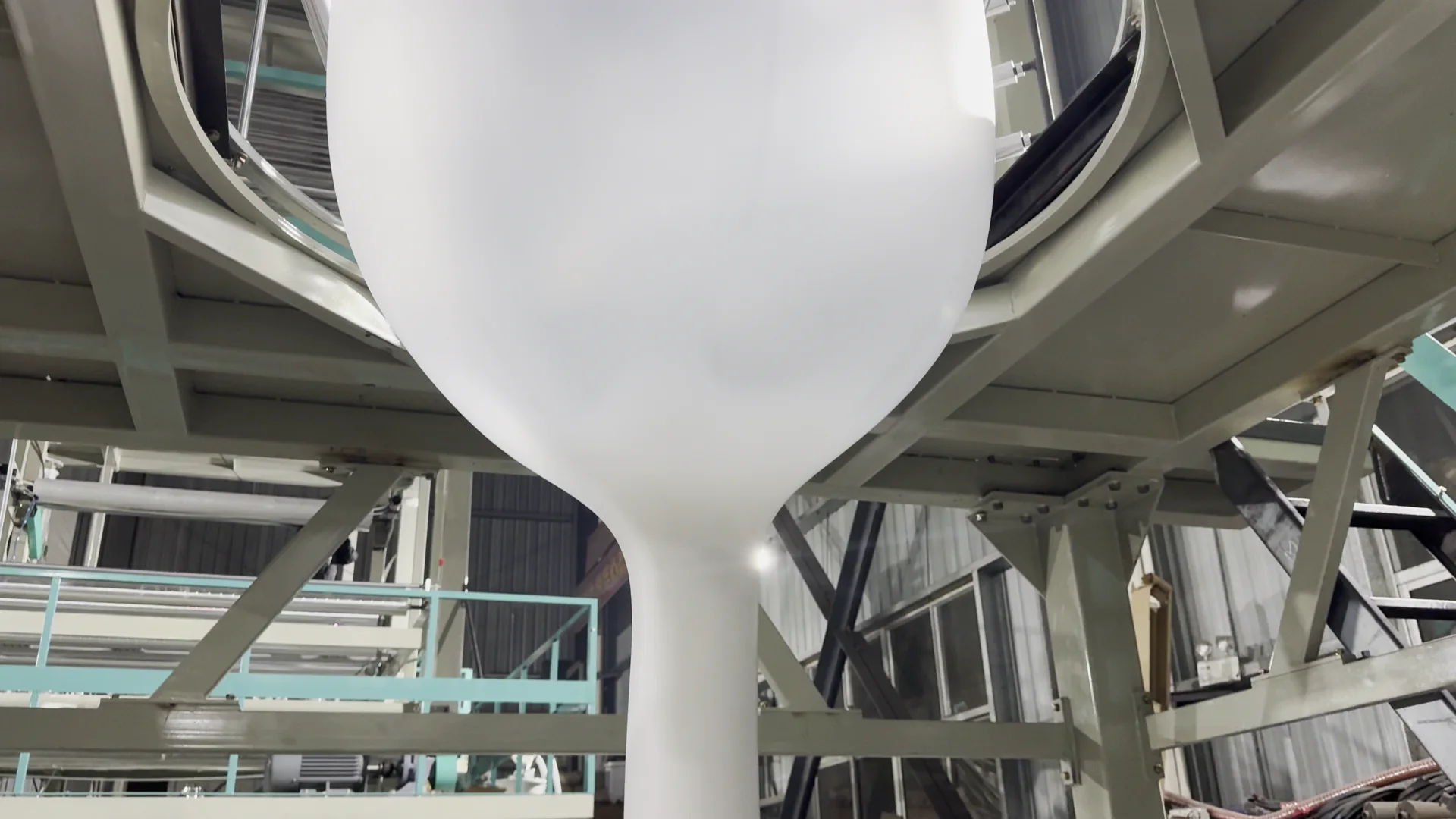
There are two ways to classify types of extruders: by the number of screws, and by the product they make. By screws, most plastic extruders are single-screw or twin-screw. By product, the six main types are blown film, cast film and sheet, pipe and profile, pelletizing and recycling, filament and lab extruders, and co-extrusion lines.
This guide is for buyers who need to know which extruder matches their product. We explain how an extruder works, how the six types differ and what to check before you ask for a quote.
A disclosure: at YONGBANG we build two of these six types, blown film extruders and recycling pelletizers. We describe the other four so you can tell them apart, but we do not sell them.
What is a plastic extruder?
A plastic extruder is a machine that melts a thermoplastic with heat and a rotating screw, then pushes it through a die to form a continuous product with a constant cross-section: film, sheet, pipe, profile, filament or new pellets. Unlike an injection molding machine, which fills a mold one part at a time, an extruder runs continuously as long as it is fed.
All extruders share the same basic parts. What changes is the screw size, the die and the equipment after the die.
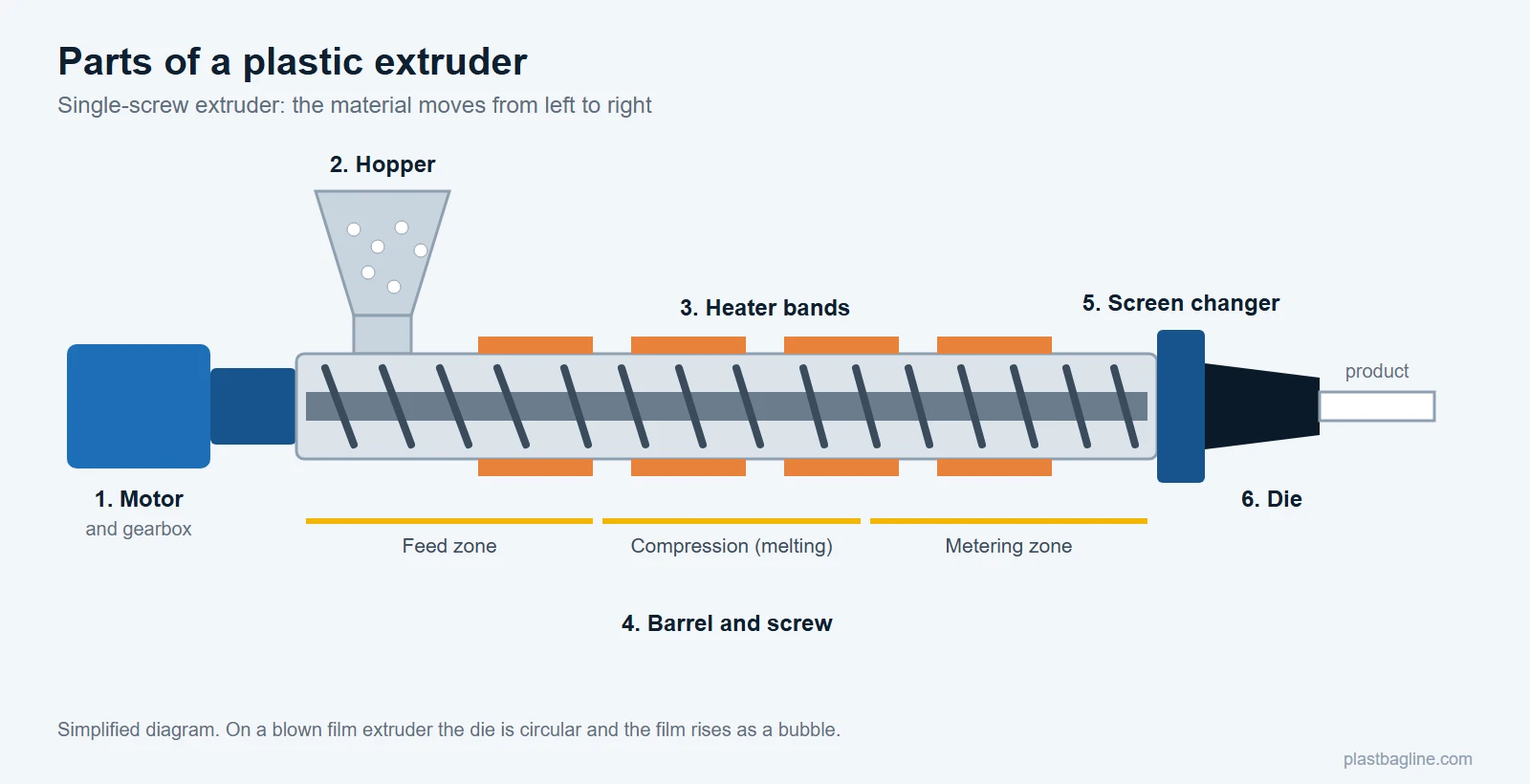
- Motor and gearbox: turn the screw at the set speed.
- Hopper: holds the pellets or ground material.
- Heater bands: heat the barrel in zones, each with its own temperature control.
- Barrel and screw: the screw conveys, compresses and melts the plastic.
- Screen changer: filters the melt before the die.
- Die: gives the plastic its final shape.
How does an extruder work?
An extruder works in three zones along the screw. In the feed zone, the screw picks up pellets from the hopper and moves them forward. In the compression zone, the screw channel gets shallower, friction and the heater bands melt the plastic, and trapped air escapes backward.
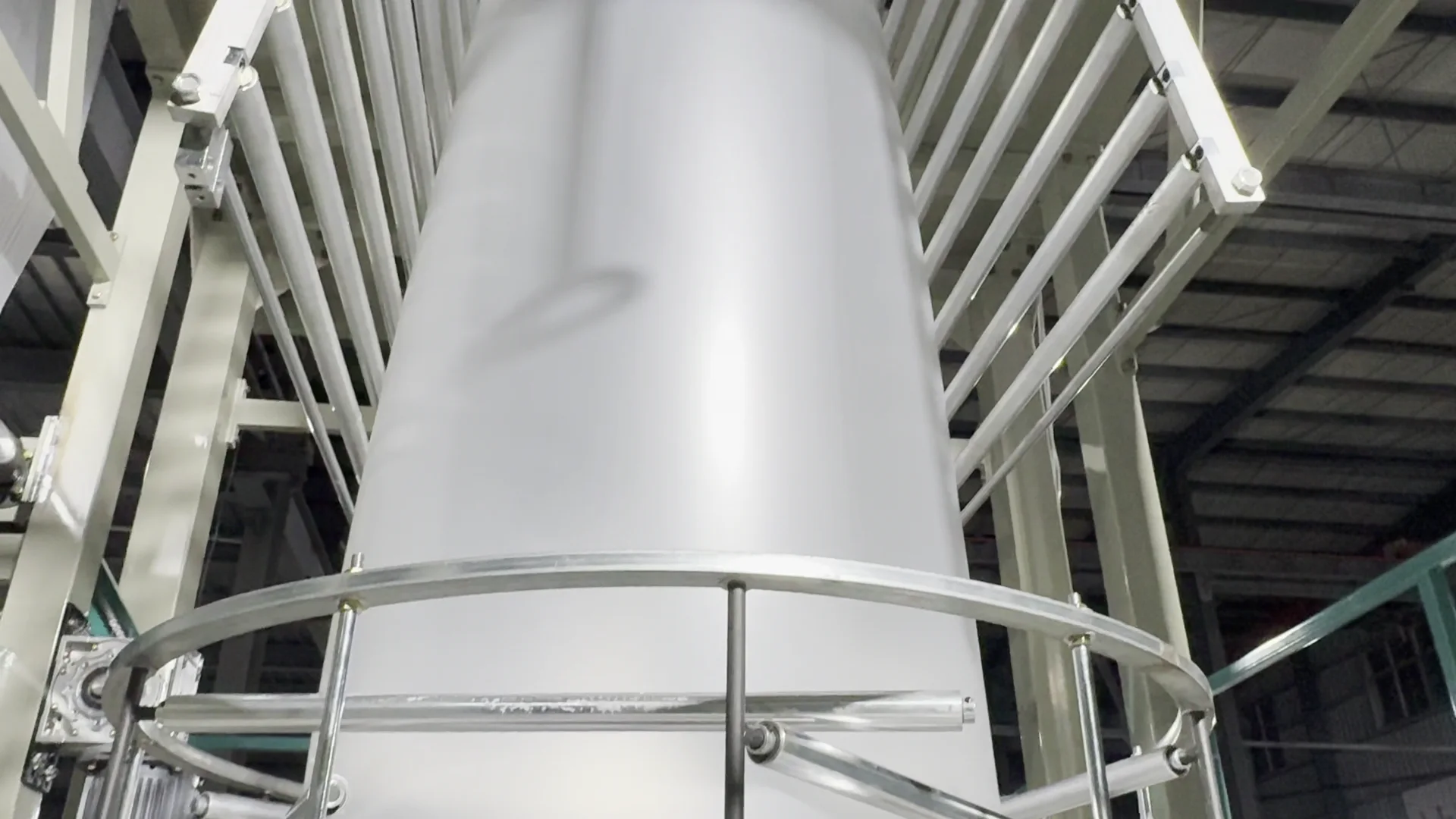
In the metering zone, the molten plastic leaves at even pressure and temperature toward the screen changer and the die. What happens next depends on the type: blown film is inflated into a bubble, pipe is cooled in a vacuum sizing tank, and recycling strands are cut into pellets.
For a broader overview that also covers metals and food, see the Wikipedia article on plastic extrusion.
Types of extruders
Plastic extruders are grouped in two ways: by the number of screws and by the product they make. The first tells you how the machine mixes material. The second tells you whether it fits your business.
By number of screws
Single-screw extruders are the most common. They are used for film, sheet, pipe and most recycling pelletizers, because they melt and pump material steadily with a simple design.
Twin-screw extruders have two screws inside one barrel. Co-rotating twin screws, turning in the same direction, are used for compounding fillers, pigments and additives. Counter-rotating twin screws are mainly used for rigid PVC pipe and profile.
By the product they make
- Blown film extruder: circular die and an air-inflated bubble. Makes polyethylene film for bags. See our blown film machines.
- Cast film and sheet extruder: flat die and chilled rolls. Makes sheet for thermoforming and stretch film.
- Pipe and profile extruder: die shaped like the pipe or profile, vacuum sizing tank, haul-off and cutter.
- Pelletizing and recycling extruder: melts scrap or used plastic and cuts it into pellets. See our plastic pelletizing machines.
- Filament and lab extruder: small machines for 3D printing filament, material trials or teaching.
- Co-extrusion line: two or more extruders feed one die to form a multi-layer product, such as 3-layer ABA film.
| Type | What it makes | Typical screw | Typical material | Do we build it? |
|---|---|---|---|---|
| Blown film | Tubular film for bags and packaging | Single (or several in co-extrusion) | HDPE, LDPE, LLDPE | Yes |
| Cast film and sheet | Thermoforming sheet, stretch film | Single or twin | PP, PET, PS, PE | No |
| Pipe and profile | Pipe, tubing, window profiles | Single; twin for rigid PVC | PVC, HDPE, PP | No |
| Pelletizing and recycling | Pellets from scrap or post-use plastic | Single (single-stage) or two in series (two-stage) | PE, PP | Yes |
| Filament and lab | 3D printing filament, test samples | Single, small | PLA, ABS, PETG | No |
| Co-extrusion | Multi-layer film or sheet | Two or more extruders | Depends on each layer | Yes, ABA film |
General overview. Each manufacturer may use different configurations.
Always ask for the screw length-to-diameter (L/D) ratio in writing and compare quotes on that number. On our blown film machines it is 30:1 on every model. On our single-stage pelletizers it is 20:1 to 22:1.
Why a film extruder and a recycling extruder use different screws
The screw design follows the job. A bag film can be 0.01 mm (about 0.4 mil) thick, so the plastic has to reach the die fully melted and mixed. Any unmelted gel shows up as a spot or a hole in the film.
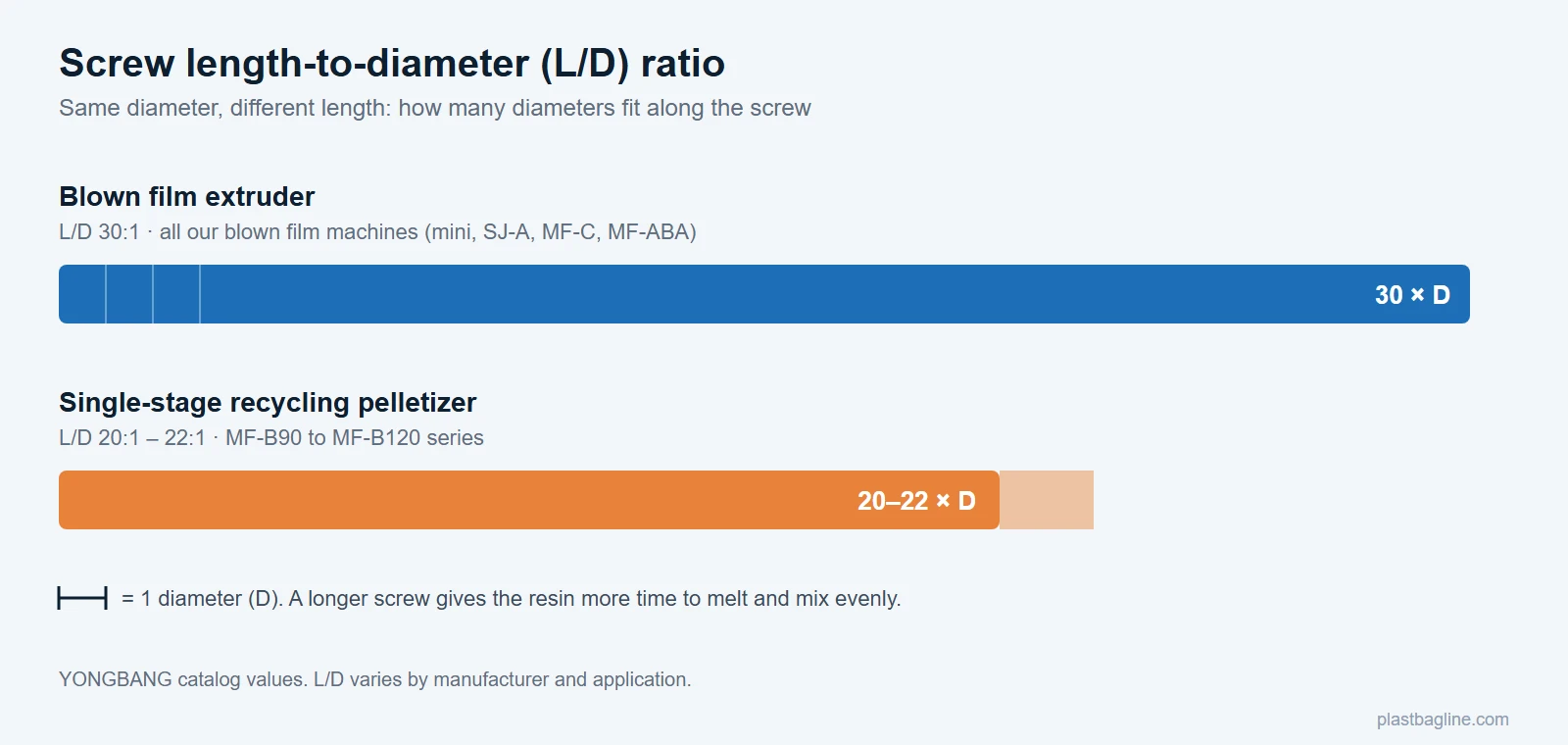
That is why our blown film machines use 30:1 screws in SACM-645 / 38CrMoAl, a nitriding steel that resists wear. On the MF-B single-stage pelletizer the ratio is 20:1 to 22:1, and the screen changer and the cutter, which is synchronized with the extruder output, do the fine work.
Neither number is better than the other. The two machines have different goals, and a recycling extruder cannot replace a film extruder, or the other way around.
What about 3D printer and food extruders?
The word extruder also covers machines outside plastics processing. On a 3D printer, the extruder is the part that feeds filament into the hot end. The two common designs are direct drive, with the motor mounted on the print head, and Bowden, with the motor on the frame pushing filament through a tube.
In the food industry, single-screw and twin-screw extruders cook and shape products such as pasta, breakfast cereal, snacks and pet food. These machines follow the same screw principle but use food-grade construction. We build neither type.
Industrial vs. small or DIY plastic extruders
The difference between an industrial extruder and a small one is output per hour. Desktop lab extruders sold online are typically rated at a few kilograms per hour and suit filament or material trials. An industrial blown film extruder produces tens or hundreds of kilograms per hour.
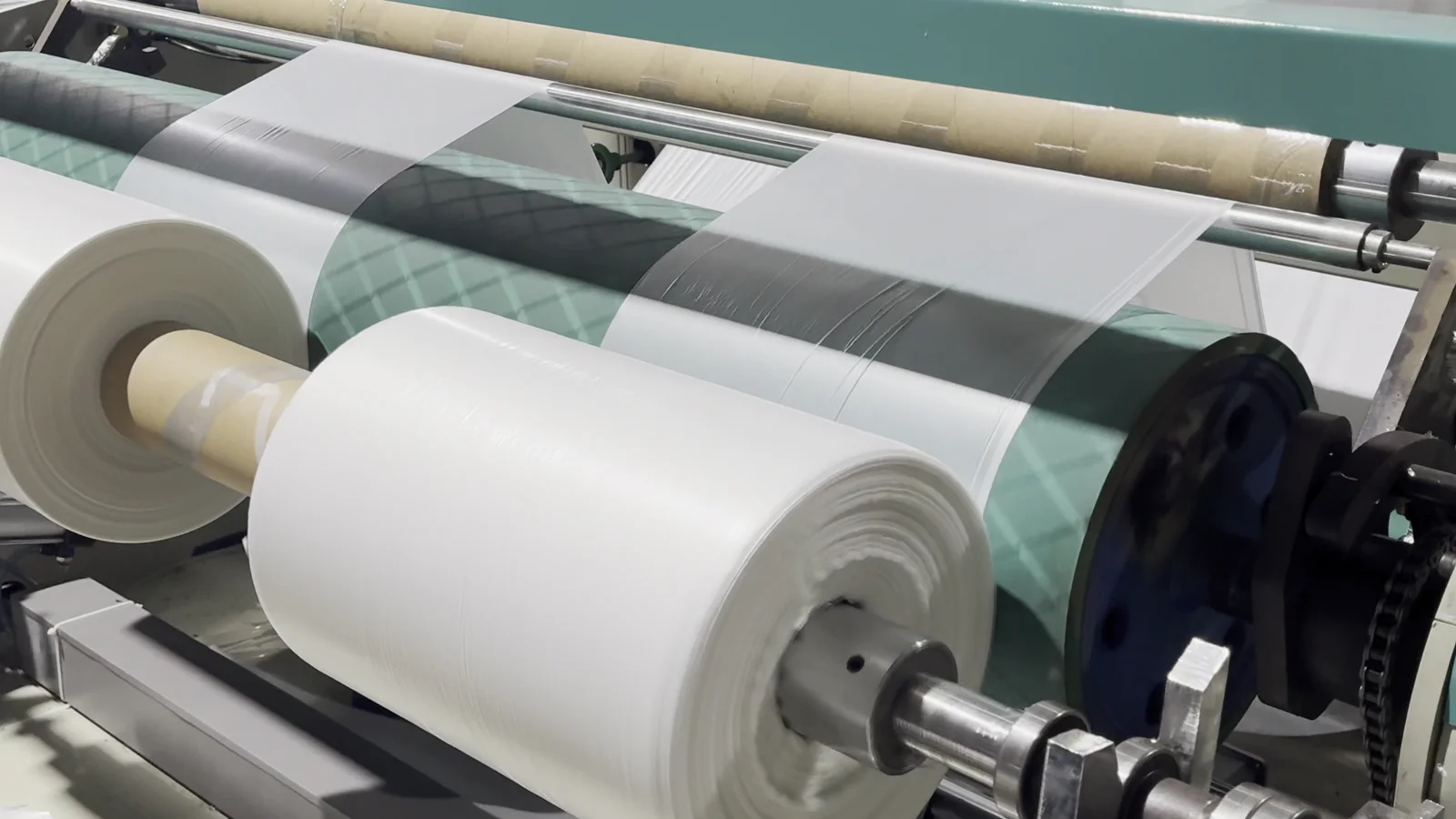
Our smallest blown film machine, the mini YB-500 / YB-700, makes 40 to 50 kg/h. The largest, the MF-C series, reaches 220 kg/h. There is no useful middle ground between a DIY extruder and an industrial one if you want to sell bags: the DIY machine gives you neither the volume nor the even thickness.
Before choosing a size, work out how many kilograms of film you need per hour. If you use 500 kg of film a day over 20 working hours, you need about 25 kg/h. That is beyond any lab machine and within the range of a small industrial blown film machine.
Which extruder do you need to make plastic bags?
To make plastic bags you need a blown film extruder, which makes the film, and a bag making machine, which seals and cuts it. If you want to reuse your trim and rejected bags, add a recycling pelletizer.
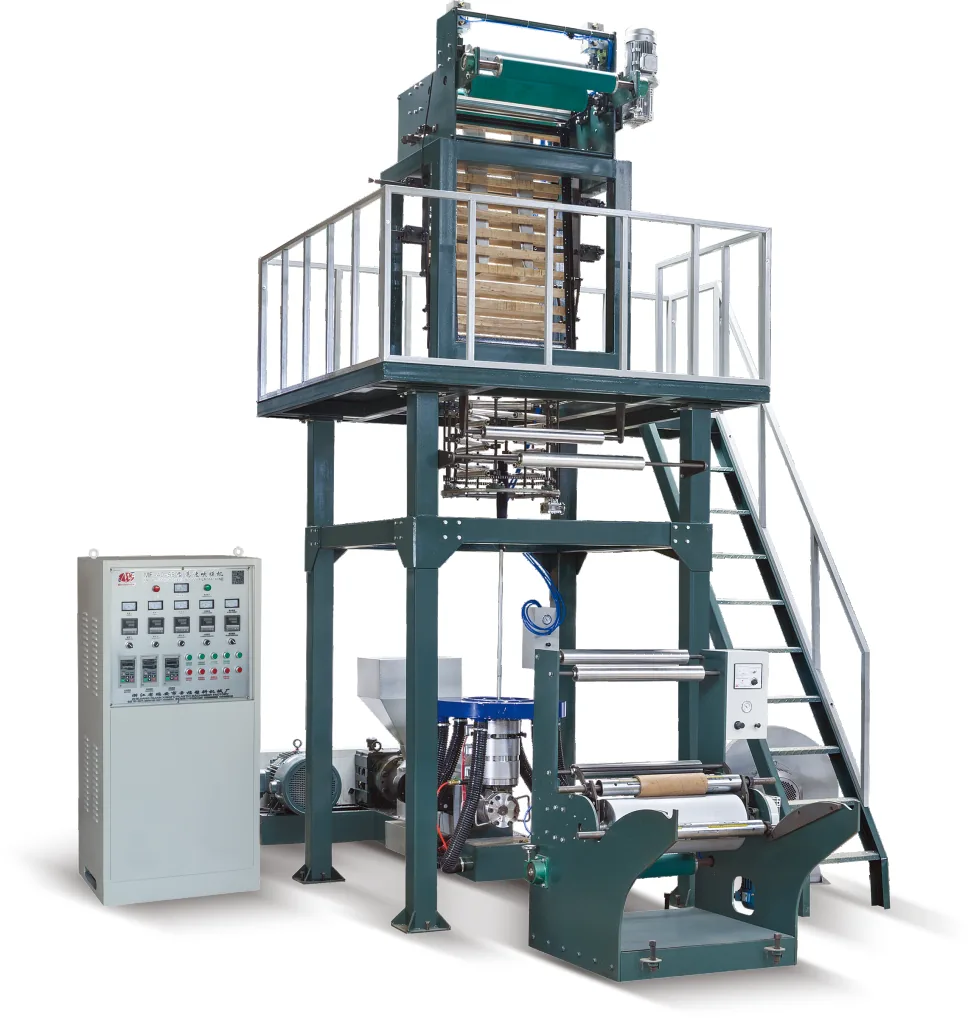
These are the options, depending on your situation:
- You are starting to make your own film: the mini machine (40–50 kg/h) or the SJ-A (60–100 kg/h).
- You need wide film or high volume: the MF-C series, 100 to 220 kg/h.
- You want 3-layer film: the MF-ABA, with two extruders and a 3-layer die.
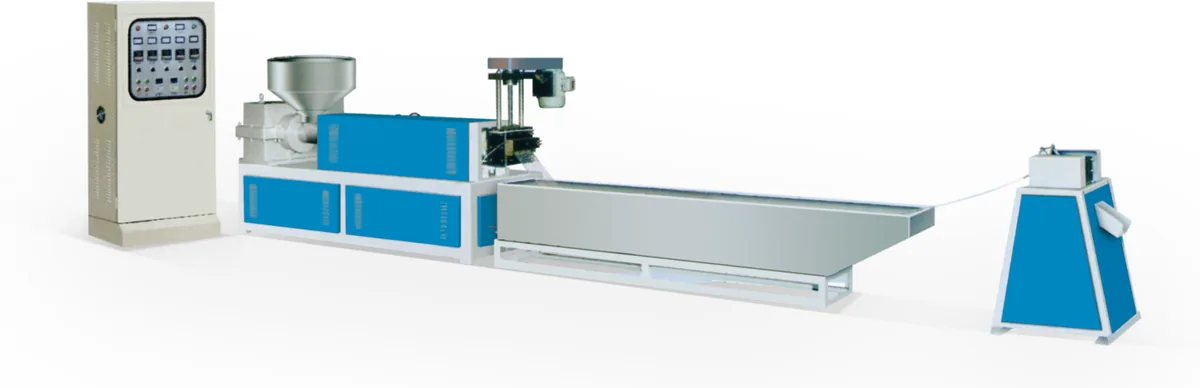
- You want to recycle your trim: the single-stage pelletizer (70–100 kg/h) or the two-stage pelletizer for film and filament (150–200 kg/h).
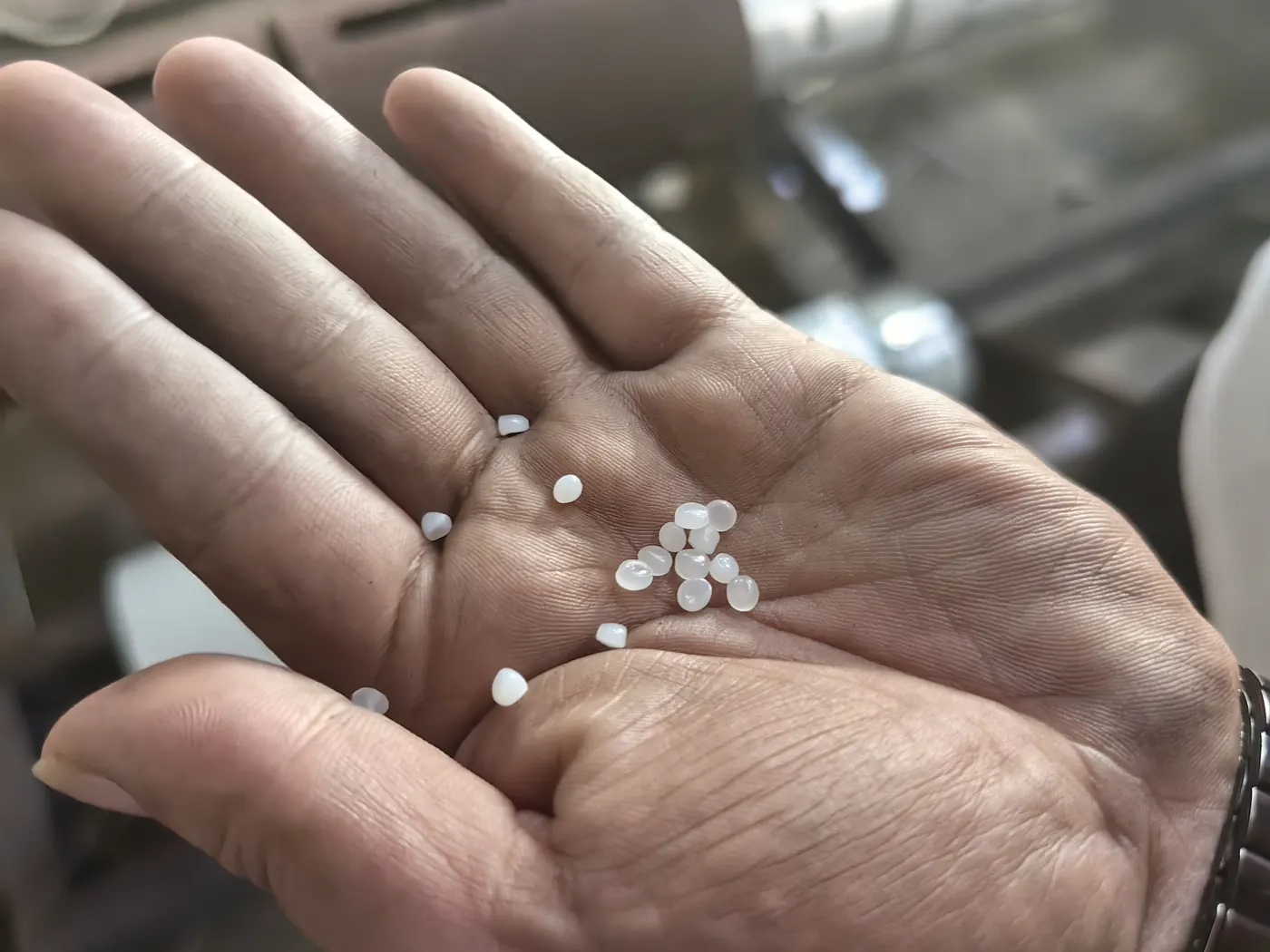
If you are setting up a factory from scratch, our plastic bag production line page shows which machines go together for each type of bag.
Tell the supplier your plant’s voltage and frequency when you ask for a quote. The US, Mexico and much of Latin America run on 60 Hz, and a motor built for 50 Hz runs about 20% faster on 60 Hz. We configure voltage and frequency at the factory for the destination country.
What to check before buying an extruder
Before you buy a plastic extruder, check these five points with the manufacturer:
- Real output in kg/h with the material you will run, not only the catalog maximum.
- Screw and barrel: diameter, L/D ratio and steel grade.
- Voltage and frequency of your plant.
- Options: on film lines, for example, corona treatment is required if you will print.
- Warranty and support: what the warranty covers, how start-up works and which wear parts ship with the machine.
If you can, ask for the machine to be tested with a sample of your own resin or scrap before shipment, and ask for the video. Recycled or heavily filled material behaves differently from virgin resin.
Frequently asked questions
What is a plastic extruder?
A plastic extruder is a machine that melts a thermoplastic with heat and a rotating screw and pushes it through a die to form a continuous product such as film, pipe, sheet, filament or pellets. It runs continuously as long as it is fed, unlike an injection molding machine, which works in cycles.
What are the two main types of extrusion?
In plastics processing, the two main types of extruder are single-screw and twin-screw. Single-screw extruders are simpler and are used for film, sheet, pipe and recycling. Twin-screw extruders mix better and are used for compounding and rigid PVC. In metal extrusion, the two main methods are direct and indirect extrusion.
What are the three zones of an extruder?
The feed zone, the compression zone and the metering zone. The feed zone picks up pellets and conveys them. The compression zone melts the plastic as the screw channel gets shallower. The metering zone delivers the melt to the die at an even pressure and temperature.
What are the different types of 3D extruders?
The two common designs are direct drive and Bowden. A direct-drive extruder has the feed motor on the print head, which handles flexible filament well. A Bowden extruder keeps the motor on the frame and pushes filament through a tube, which makes the print head lighter.
What types of extruders are commonly used in the food industry?
Food plants use single-screw and twin-screw extruders to cook and shape products such as pasta, breakfast cereal, snacks and pet food. Twin-screw machines are common when the recipe needs intense mixing. These extruders use food-grade construction and are a different category from plastics extruders.
Can I make a DIY 3D filament extruder?
Yes, DIY and desktop filament extruders exist for making 3D printing filament or testing materials. They produce a few kilograms per hour at most and do not control thickness like an industrial machine, so they are not suitable for making film or bags to sell.
Not sure which extruder you need? Write to us with the product you want to make and how many kilograms per day you need. We reply within 24 hours.