HDPE vs LDPE: Differences and Which to Use for Plastic Bags
How high-density and low-density polyethylene differ, how to tell them apart and which resin suits each type of bag you plan to make.
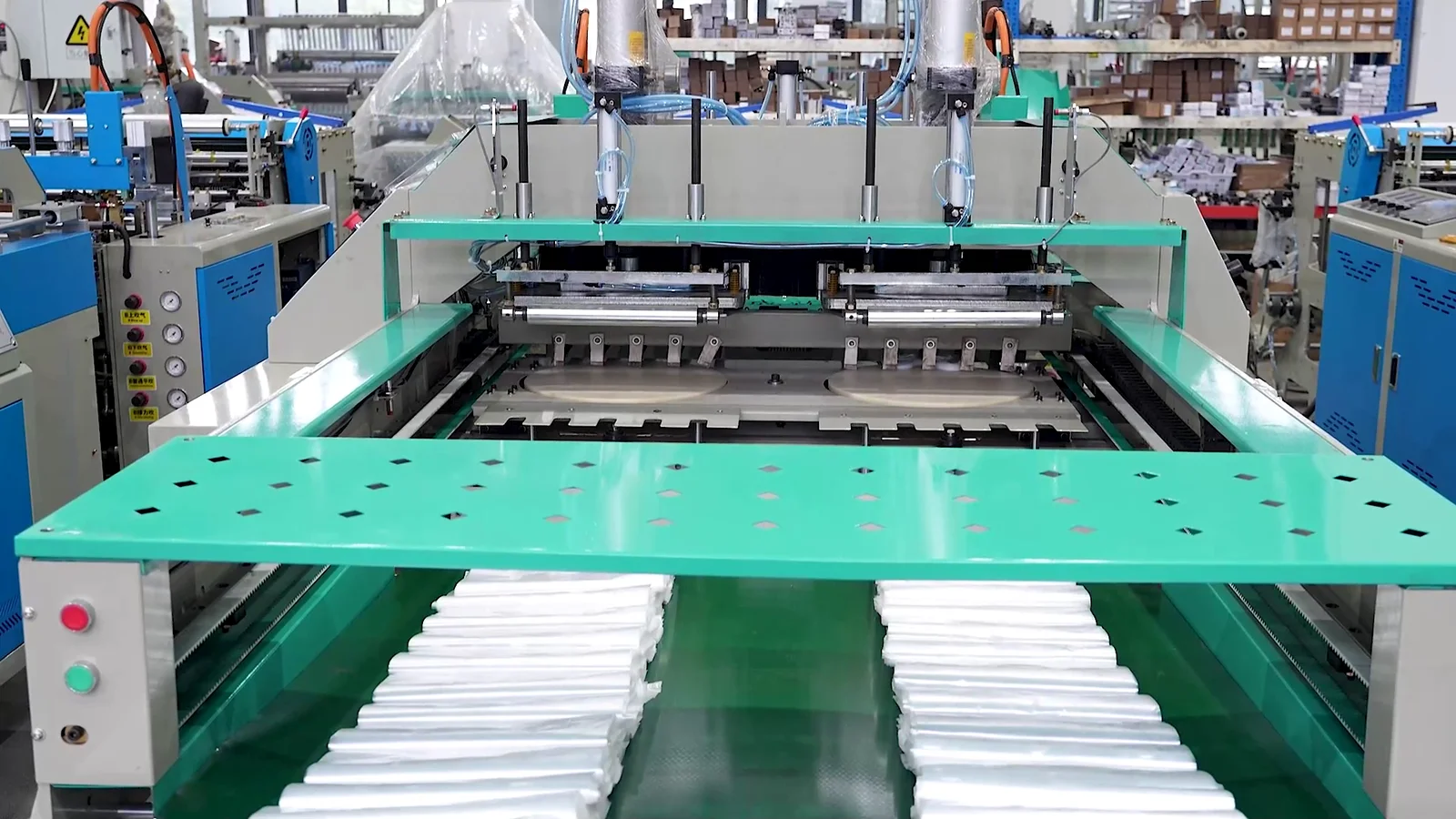
The difference between HDPE and LDPE is the shape of their molecular chains. High-density polyethylene (HDPE) has nearly straight chains that pack tightly, and low-density polyethylene (LDPE) has highly branched chains that leave more space between them. That is why HDPE is stiffer, more opaque and stronger in tension, while LDPE is more flexible, clearer and softer to the touch.
This guide is for people who make, or plan to make, plastic bags. Besides the properties, we explain which resin goes into each bag and what changes on the extruder and the bag machine when you run one or the other.
What is HDPE?
HDPE is polyethylene with a density of 0.941 g/cm³ or higher, following the ASTM D883 classification. Its lightly branched chains form large crystalline regions, which give it stiffness, tensile strength and a milky, opaque look.
As thin film, HDPE crinkles like paper when you crush it. It is the material of the supermarket T-shirt bag and of produce bags on a roll. Outside bags, it is used for milk jugs, detergent bottles and pipe.
What is LDPE?
LDPE has a density of 0.910 to 0.940 g/cm³. Its branched chains do not pack as tightly, so it is softer, stretchier and clearer than HDPE.
As film, it feels smooth and is almost silent. It goes into glossy retail bags, freezer bags, shrink film and many mailer bags. There is also LLDPE (linear low-density polyethylene), with a similar density but more ordered chains. It resists puncture better and stretches further before it breaks, so it is often blended with LDPE for technical films.
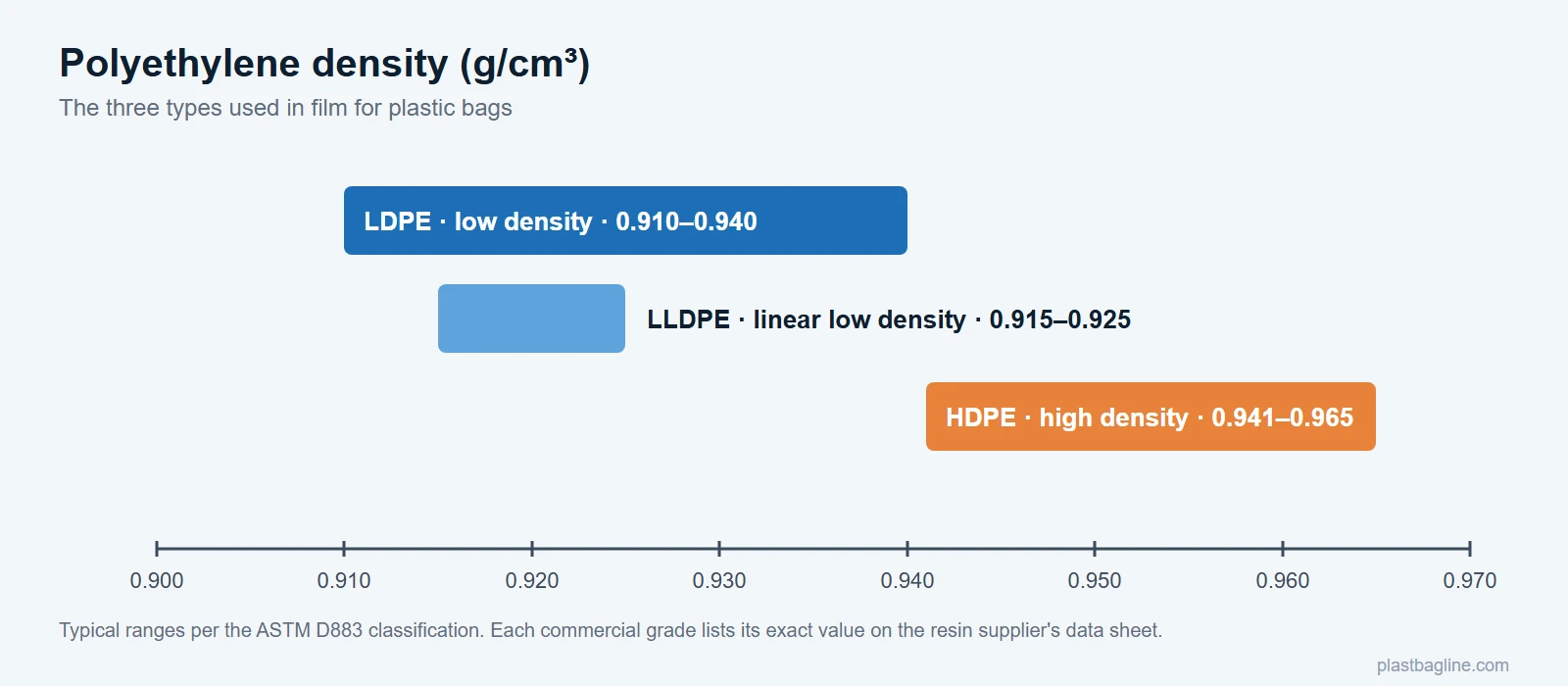
HDPE vs LDPE: key differences
HDPE and LDPE differ in stiffness, clarity, melting point and the products each one is used for. The table sums up what matters in a bag factory.
| Property | HDPE (high density) | LDPE (low density) |
|---|---|---|
| Density | 0.941–0.965 g/cm³ | 0.910–0.940 g/cm³ |
| Structure | Linear, lightly branched chains | Highly branched chains |
| Film feel | Stiff, crinkles when crushed | Soft, flexible, quiet |
| Clarity | Opaque or translucent | Clear and glossy |
| Strength | Higher tensile strength at low thickness | More elastic, better impact resistance in the cold |
| Approx. melting point | About 130 °C (266 °F) | About 110 °C (230 °F) |
| Resin identification code | 2 | 4 |
| Typical bags | T-shirt bags, produce bags on a roll | Retail, freezer, mailer, flat bags |
General values. Each resin grade has a data sheet with density, melt index and recommended use.
When you buy resin for blown film, ask for the data sheet and check the melt flow index (MFI). Blown film grades usually have a low MFI, typically below 2 g/10 min. An injection grade with a high MFI will not hold a stable bubble.
HDPE vs LDPE: which is better for plastic bags?
Neither is better overall. HDPE is better for thin, strong bags such as the T-shirt bag. LDPE, or a blend with LLDPE, is better for soft, clear bags and bags that must take knocks in the cold. This is the most common split in the market, although your customer may ask for something else.
| Bag | Usual resin | Why | Bag machine |
|---|---|---|---|
| T-shirt bag | HDPE | Carries weight with very thin film | MFHQB or MF-SH |
| Produce bag on a roll | HDPE | Thin and low cost per bag | YB400 |
| Trash bag | LDPE, LLDPE or thin HDPE, often with recycled content | Depends on gauge and target price | YB400 |
| Mailer bag | LDPE and LLDPE, often multi-layer | Stretch and puncture resistance | MF-600B / 800B / 1000B |
| Flat retail bag | LDPE | Gloss and clarity | MF-B |
Agree on thickness in one unit with your customer and your supplier. 0.01 mm is 10 microns, or about 0.4 mil. Our MFHQB bag machine runs film from 0.008 to 0.035 mm, roughly 0.3 to 1.4 mil. Check that range before you quote a heavier T-shirt bag. Our plastic bag thickness chart converts mils, microns and gauge.
HDPE vs LDPE cost: compare per bag, not per kilo
When you compare HDPE vs LDPE cost, look at the cost per bag, not only the resin price per kilo. Resin prices move with the market, and the gap between the two changes from month to month.
What stays constant is thickness. Because HDPE is stronger at low gauge, a T-shirt bag in HDPE can be made thinner than the same bag in LDPE, so each bag uses less resin. For a soft, clear retail bag, LDPE is the only real option, and the comparison does not apply.
What changes on the extruder with HDPE or LDPE
One blown film machine can run both resins, but the bubble forms differently. With HDPE film, the bubble usually rises as a long, narrow neck before it opens. With LDPE, the bubble opens almost right above the die.
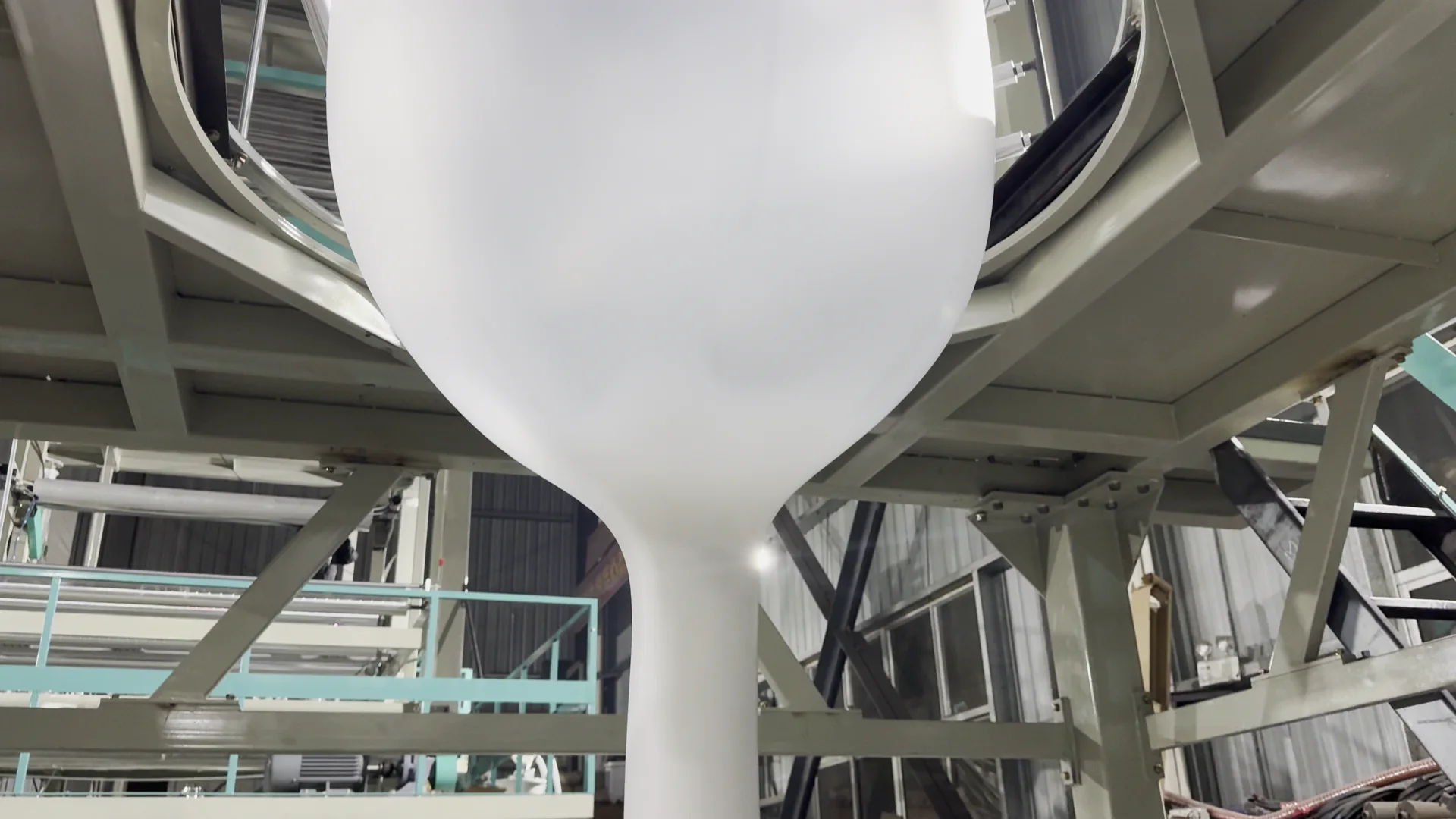
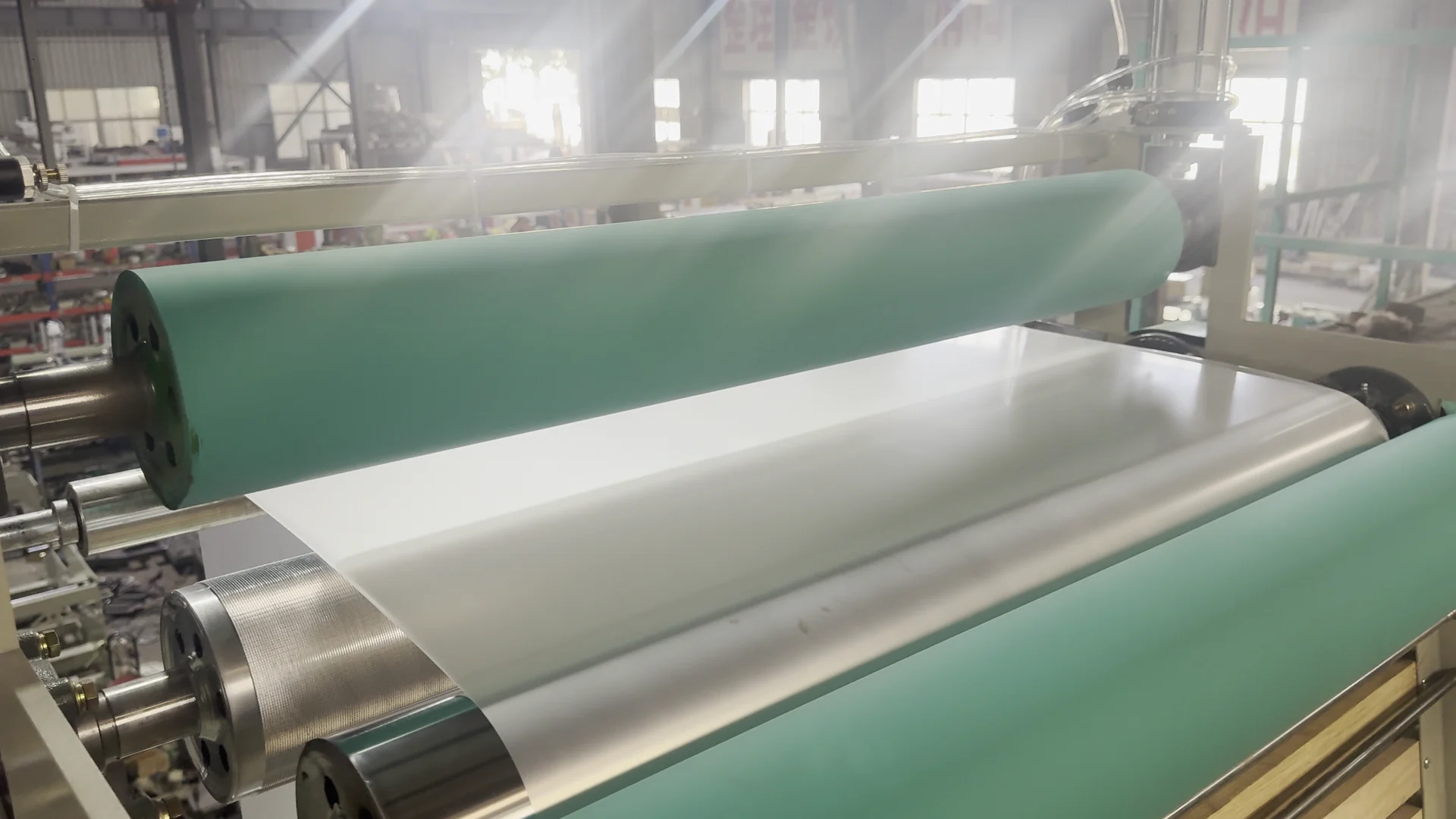
So when the resin changes, the operator adjusts the zone temperatures, the air ring and the height at which the bubble opens. Our SJ-A blown film machine is designed for both resins and makes film from 0.009 to 0.10 mm. The mini, MF-C and MF-ABA series run HDPE, LDPE and LLDPE.
To combine the properties of both, 3-layer ABA co-extrusion lets you put a different blend in the middle layer. Our guide to types of extruders explains how it works.
On the bag machine, HDPE needs a higher sealing temperature than LDPE, because it melts about 20 °C (36 °F) higher. When you switch film, run a few test bags first and pull each seal by hand to check that it holds.
Can HDPE and LDPE be recycled together?
Both HDPE and LDPE are recyclable, but it pays to keep them apart. HDPE carries resin code 2 and LDPE code 4. Mixed together, the pellets come out with in-between properties that do not always work for making the same film again.
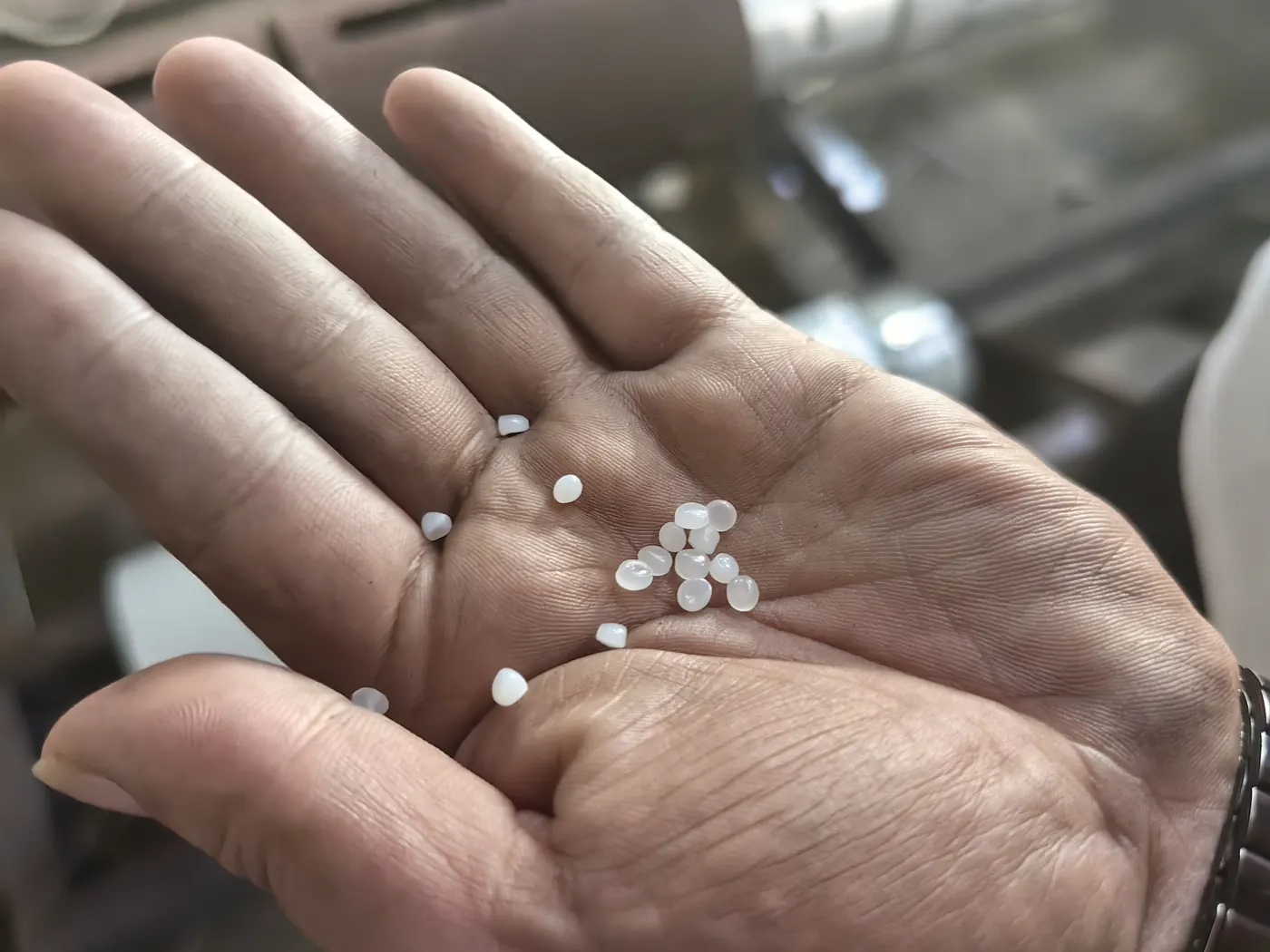
In a bag factory, the trim from each line is already sorted by resin. If you run it through a pelletizer separately, it can go back into the extruder that makes the same film.
Put one bin for HDPE trim and one for LDPE trim next to each bag machine, marked 2 and 4. Sorting at the source costs less than sorting later.
Frequently asked questions
Which is better, HDPE or LDPE?
Neither is better in every case. HDPE is stiffer and stronger at low thickness, so it suits T-shirt bags, produce bags, jugs and pipe. LDPE is softer, clearer and more flexible, so it suits retail bags, freezer bags and shrink film. Choose by what the product has to do.
How to tell HDPE from LDPE?
Crush the film next to your ear: HDPE crinkles like paper, LDPE is soft and quiet. You can also look for the printed resin code, 2 for HDPE and 4 for LDPE. For an exact answer, a lab measures the density.
Are Ziploc bags HDPE or LDPE?
Zipper storage bags of this type are generally made from low-density polyethylene, often blended with LLDPE, because the bag needs to be soft and flexible. Check the resin code printed on the box: 4 means LDPE. Brands can change their materials, so the package is the reliable source.
What are the disadvantages of HDPE plastic?
HDPE is less clear and less flexible than LDPE, so it is not a good choice for glossy, see-through packaging. It needs higher sealing temperatures, can crack under stress in some chemical environments, and like other polyethylene it degrades under long UV exposure unless it contains a UV stabilizer.
Does HDPE give off microplastics?
Any plastic, HDPE included, can shed small particles as it wears, is cut or breaks down over time, especially under heat, friction or sunlight. For food contact, use resin grades approved for that use and follow the supplier’s temperature limits.
What is the difference between HDPE, LDPE and LLDPE?
HDPE has linear, tightly packed chains and a density of 0.941 g/cm³ or more. LDPE has highly branched chains and a density of 0.910 to 0.940 g/cm³. LLDPE has a low density like LDPE but linear chains with short branches, which gives better puncture resistance and stretch.
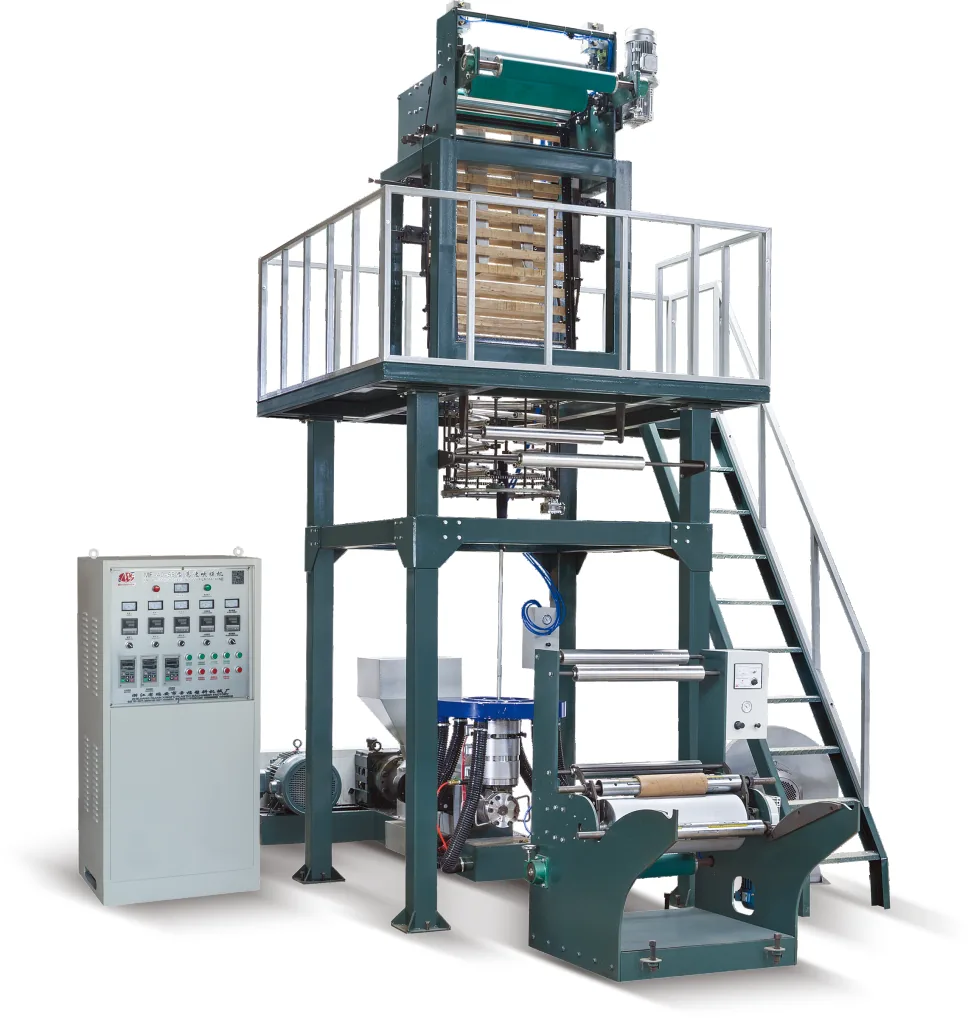
For more on the material itself, see the Wikipedia article on polyethylene. Will you make HDPE bags, LDPE bags or both? Write to us with the bag type and kilograms per day, and we will tell you which blown film machine and bag machine you need. We reply within 24 hours.